Expedition Philosophy · 7 min read
Why I Keep My Groups Small and My Itineraries Loose
The philosophy behind every safari I lead comes down to one uncomfortable admission: the more efficiently a trip is planned, the less likely anyone on it is to see something worth photographing.
Small Groups Aren't a Luxury Feature
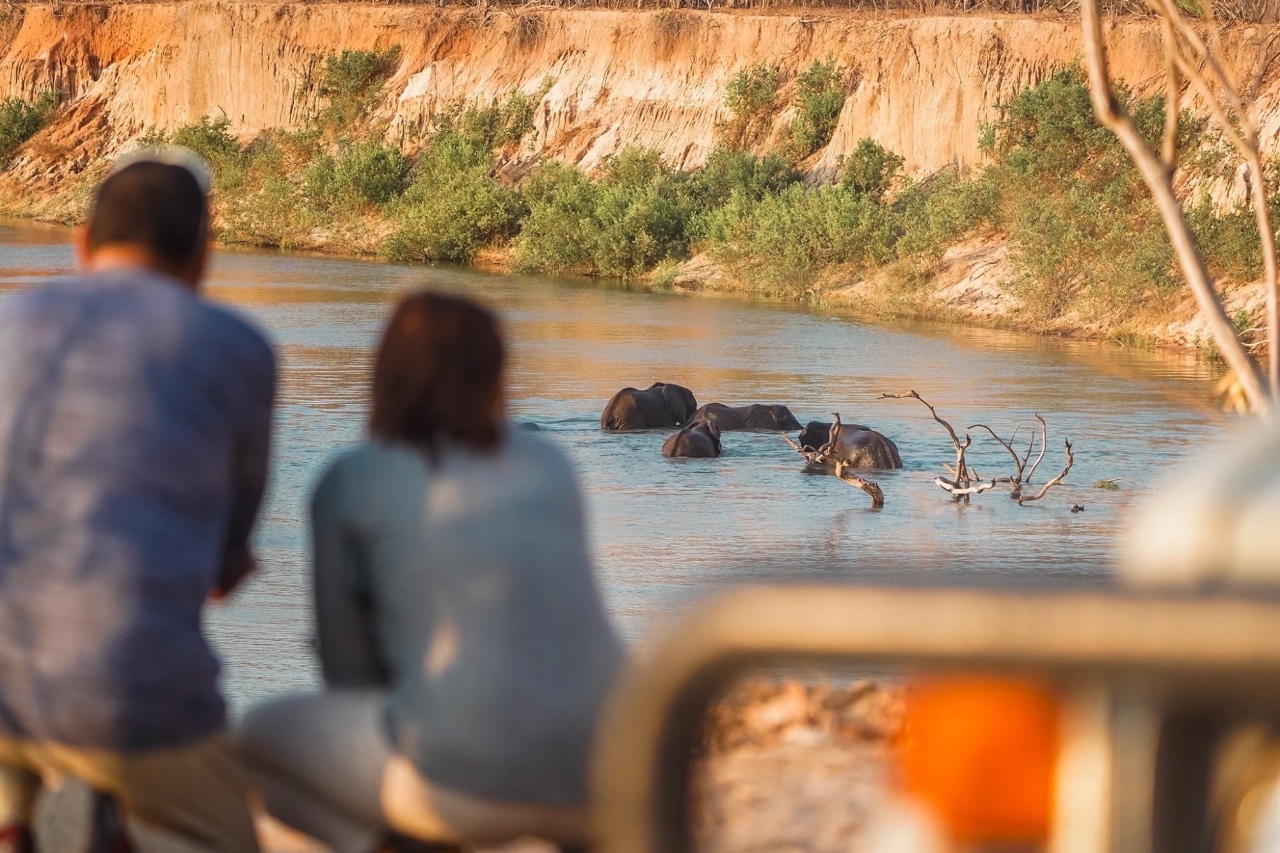
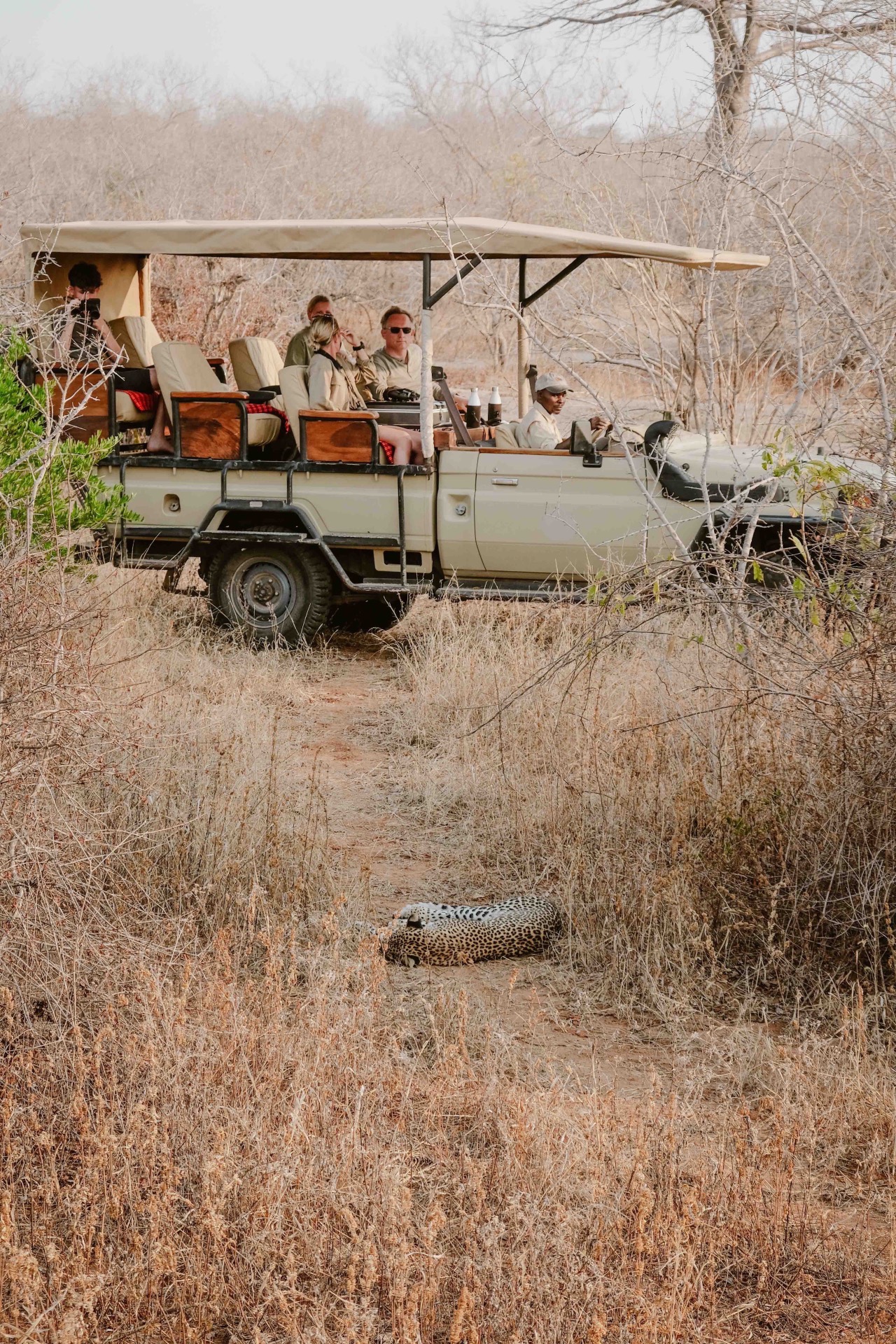
I keep groups small — rarely more than six people, often fewer — and I used to describe this as a comfort decision. It isn't, really. A larger group means more vehicles, more movement, more noise, and a much narrower window before an animal notices it's being watched and adjusts its behaviour accordingly. Every additional vehicle at a sighting shortens how long that sighting stays natural. So the group size isn't about exclusivity for its own sake; it's a direct, practical constraint on how close to something real we're able to get, and how long we're able to stay there before we've changed it.
An Itinerary With Room to Break
I plan routes loosely on purpose. A fixed hour-by-hour schedule is the single fastest way to guarantee everyone misses the actual moment, because the actual moment never arrives on schedule. If we find a pride settling in for the evening and the light is doing something worth waiting for, we stay — even if that means the planned stop forty minutes down the road doesn't happen that day. I'd rather return from a week with four photographs everyone is proud of than forty documenting everywhere we technically visited.
This is harder to sell than it sounds, because most people arrive expecting the opposite — a full, efficient itinerary that "makes the most" of a limited trip. Part of my job, before we've even left camp, is convincing people that fewer, longer encounters will give them better photographs and a better trip than more, shorter ones. It's a hard sell for about a day. By day three, nobody's arguing anymore.
Guides Are Not Interchangeable With Drivers
Every safari I lead works with guides I've known for years, not because I'm sentimental about loyalty, but because their read of an individual animal's behaviour is, honestly, more valuable to the group's photographs than anything I do with a camera myself. A guide who knows that a particular lioness always moves to shade by eleven, or that a specific elephant family tends to cross a certain point of the river in late afternoon, is providing information no amount of my own patience can substitute for. I plan expeditions around access to that kind of knowledge as much as around access to a particular landscape.
Why I Resist Adding More Destinations
I get asked, often, why I don't run more varied itineraries — three parks in ten days, a broader tour of the region. I've tried it, early on, and I don't do it anymore. Every additional location resets the clock: new terrain to read, new animal behaviour to learn, new light to understand. A guest who spends ten days in one well-chosen area, moving slowly, generally comes home with a stronger, more coherent body of work than one who's covered three times the ground and a third of the depth in each place.
An Itinerary With Room to Break
I plan routes loosely on purpose. A fixed hour-by-hour schedule is the single fastest way to guarantee everyone misses the actual moment, because the actual moment never arrives on schedule. If we find a pride settling in for the evening and the light is doing something worth waiting for, we stay — even if that means the planned stop forty minutes down the road doesn't happen that day. I'd rather return from a week with four photographs everyone is proud of than forty documenting everywhere we technically visited.
This is harder to sell than it sounds, because most people arrive expecting the opposite — a full, efficient itinerary that "makes the most" of a limited trip. Part of my job, before we've even left camp, is convincing people that fewer, longer encounters will give them better photographs and a better trip than more, shorter ones. It's a hard sell for about a day. By day three, nobody's arguing anymore.
What a Good Expedition Actually Optimises For
I think most travel planning optimises for coverage — how much can be seen, checked off, documented in the time available. I optimise for something closer to depth: how well can a small group come to understand one place, one season, one set of animal behaviours, well enough to anticipate rather than simply react. That's a genuinely different goal, and it changes almost every decision that follows from it — group size, pacing, how firmly we hold to a plan once we're actually in the field.
The Trip I'm Actually Trying to Give People
By the end of a week run this way, most guests aren't talking about how many species they saw. They're talking about the forty minutes we spent waiting for a specific elephant to decide whether to cross a specific stretch of river, and what it felt like when she finally did. That's the trip I'm trying to build, every time — fewer places, more attention, and enough unstructured time that something real has room to happen in front of the people patient enough to still be watching when it does.
The Newsletter
Field notes, quietly delivered
A slow letter — new stories, journal entries and safari dates, a few times a year. No noise.