Field Notes · 7 min read
The Art of Waiting
Wildlife photography is not built on perfect timing, expensive equipment, or moments of luck. It is built on patience, observation, and the willingness to remain still long enough for nature to reveal itself.
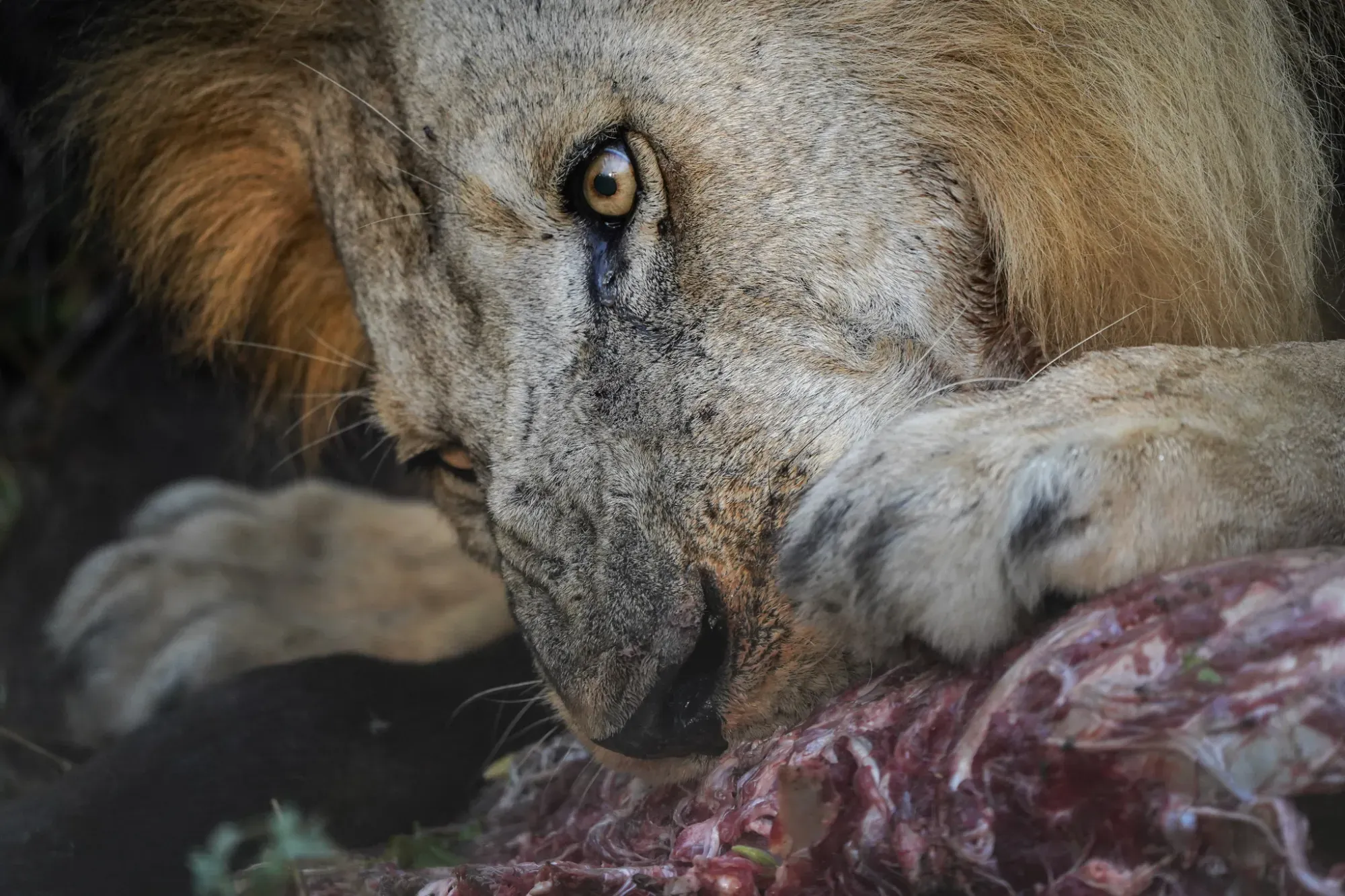
There's a persistent myth in wildlife photography: that it rewards speed. The fastest reflexes, the longest lens, the quickest finger on the shutter. I understand why people believe it — the results certainly look instantaneous.
But almost none of my best images were fast. They were slow. Some took years.
Watching, Not Counting
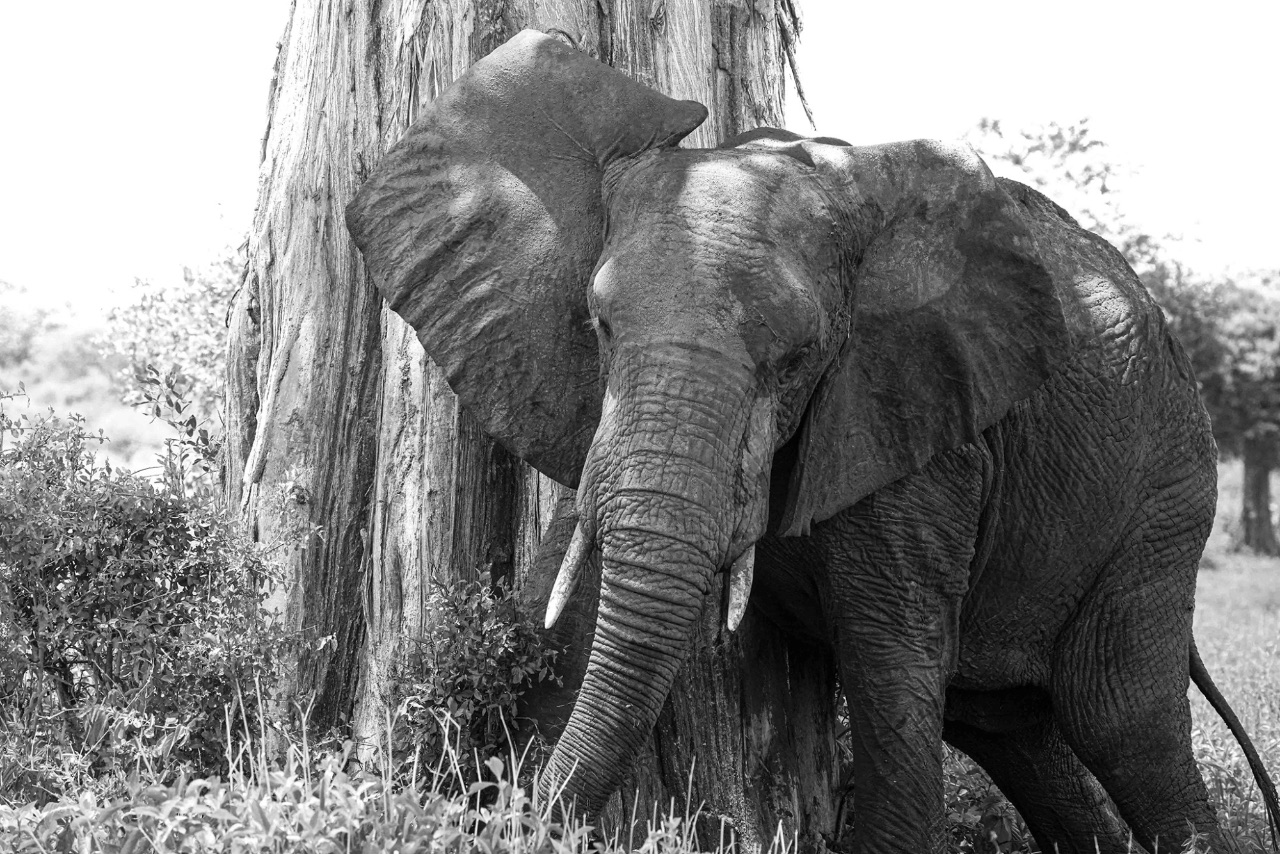
On safari, it's tempting to measure a good day by a checklist — lion, elephant, leopard, done. I get it; ticking boxes feels like progress. But photography asks for the opposite instinct. It asks you to stop moving toward the next sighting and instead stay with the one in front of you, long enough for the animal to forget you're there. That's when things start to happen. A lion that's been motionless for an hour suddenly lifts its head. An elephant hesitates before stepping onto a road. A fish eagle goes completely still, scanning the river, before it opens its wings. A leopard doesn't appear — it emerges, and only once the bush around it has gone quiet.
None of that shows up on a schedule. You either wait for it, or you miss it.
The Work Before the Shutter
The real work of this craft happens before the camera ever comes up. I've spent more hours than I can count just watching — mornings beside a waterhole doing nothing else, entire days trailing one elephant family, returning to the same pride so many times their habits started to become legible to me.
That's not a romantic pastime. It's the actual skill. A lion flicks its ears a beat before it turns its head. A leopard's focus narrows just before it moves. A fish eagle shifts its weight fractionally before launching. Elephants "talk" to each other in gestures so small you'd miss them entirely without knowing where to look. These tells last a second, maybe less. But once you can read them, you stop reacting to what an animal just did and start anticipating what it's about to do — and that shift is the actual difference between a decent photograph and one that stops people in their tracks. It was never really about the gear.
Learning to Put the Camera Down
Some of the moments I remember most vividly have no photograph attached to them at all. A fish eagle calling somewhere out of sight at first light. Wind moving through grass that's taller than the vehicle. At a certain point I realized wildlife photography isn't really about producing images — it's a discipline for being present, and the camera is just one of its tools, not the point of it. Silence does something to how you see. Conversation and movement mask detail; quiet lets it surface. And there's a second, more important effect: the quieter you are, the more the animal stays itself — unaltered, unbothered, wild. So sometimes the right call is to zip the bag shut and just watch. I've come to think that's not a lesser choice than getting the shot. It might be the better one.
The Folder Nobody Asks to See
People often ask to see my favourite images. Almost no one asks about the folder I keep of the ones that got away — and it's a large folder. It's mostly empty landscapes. A single tree where a fish eagle had been perched thirty seconds earlier. The bush where I almost saw my first leopard. A riverbank with nothing on it, because the crocodile had already gone under by the time I found the frame.
To anyone scrolling past, they'd look like nothing — a tree, a bank, some grass. To me, each one is a specific memory of a specific failure, and together they've taught me more about this work than most of my successful shots combined: patience, humility, and the plain fact that nature was never obligated to perform for my timeline. It's a strange thing to say, but I mean it — those blank frames made me better than the ones that went exactly to plan.
Haraka Haraka Haina Baraka
We live surrounded by systems built for speed — faster replies, faster results, faster everything. Time in the bush runs on a different clock, and it doesn't negotiate. There's a Swahili proverb for it: haraka haraka haina baraka — haste has no blessings. Few places I've worked make that truer than Tanzania.
Every hour spent simply watching adds to what I understand about this place. Every missed shot is a reminder that I'm a guest here, not the one setting the schedule. And every photograph that does come together means something, not because the technique is flawless, but because it's a moment that will never happen in exactly that way again.
The best wildlife photographs were never really taken. They were waited for, half-anticipated — and, on the good days, handed over by nature on its own terms.
The Newsletter
Field notes, quietly delivered
A slow letter — new stories, journal entries and safari dates, a few times a year. No noise.